Outdoor Living
Pools, Patios and Hardscapes in Massachusetts: What to Plan Before You Break Ground
Signature Series Construction
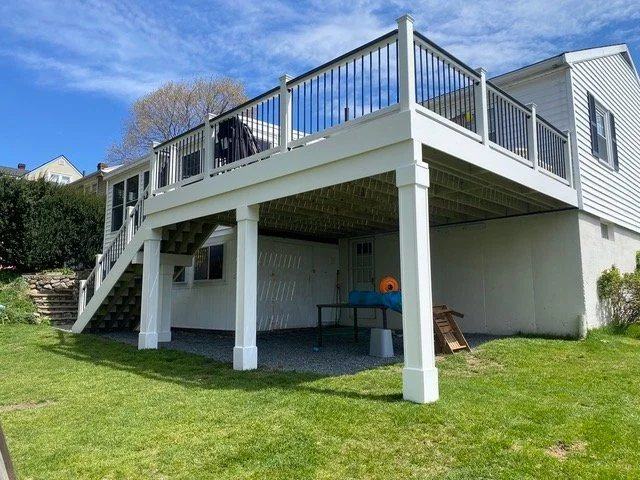
A great backyard rarely starts with a shovel. It starts with decisions about where water will go, what your town allows, how equipment will reach the site and how the space will work in January as well as July. In Massachusetts, with its frost, ledge, wetlands rules and tight lots, early planning matters even more.
Here is what we encourage homeowners to think through before any excavation begins.
Start With How You Want to Use the Space
Before you look at materials or pool shapes, answer a few simple questions:
- Who will use the space, and how often? Kids, guests, pets and quiet evenings all call for different layouts.
- Do you want to swim, lounge, cook, entertain or all of the above?
- How should the yard connect to the house? Doors, sightlines and walking paths matter.
- Do you want the space to feel usable for more of the year, with a fire feature, lighting, covered seating or an outdoor kitchen?
A clear picture of how you live helps a designer and builder shape the project around you, instead of dropping in features that look good in a photo but never get used.
Know What Your Town Will Require
Massachusetts building permits are issued by your local building department, and requirements vary from town to town. Don't assume that because a neighbor did something, you can too. Rules change, and so do lot conditions.
Before you commit to a design, confirm with your town:
- Building permits. Pools, retaining walls, structures like pergolas or pool houses, and some patio work may need permits. Ask what applies to your project.
- Zoning setbacks. Pools and structures usually must sit a certain distance from property lines. Many towns also limit lot coverage or impervious surface, which can affect large patios and driveways.
- Pool barrier and safety rules. Pools are subject to barrier and safety requirements. Your building department can tell you what fencing, gates and alarms apply.
- Conservation commission review. If your property is near wetlands, a stream or another protected resource, work may require local review. This can shape where a pool or patio can go and how long approvals take.
- Board of Health. If you have a septic system, there are required distances between it and a pool or other improvements. Your local health department can advise.
- Historic or neighborhood restrictions. Some districts and HOAs add their own rules.
It is far cheaper to learn about a constraint on paper than after a trench has been dug.
Look Hard at Your Site
The yard itself often determines what is possible, and what it will cost.
Grading and drainage
Water is the biggest enemy of any hardscape. Patios, walkways and pool decks need to shed water away from the house and away from neighbors. A hard surface also sends more runoff to places that used to absorb it. A good plan addresses where that water goes through grading, drains, dry wells or planted areas, depending on your site and local rules.
Soil, ledge and groundwater
Massachusetts yards can hide surprises: ledge, boulders, fill, clay or a high water table. Any of these can affect pool excavation, foundations for walls and the base under a patio. Your builder may recommend investigating conditions early, because unknowns here are a common source of budget changes.
Frost
Our freeze-thaw cycles move the ground. Patios, steps and walls need proper base preparation and, where required, footings that go below frost depth. Your building department can tell you the depth that applies. Cutting corners on the base is the usual reason pavers heave, settle or crack within a few winters.
Slopes and retaining walls
Sloped yards can become beautiful terraced spaces, but taller retaining walls often need engineered design and permits. Confirm the rules with your town before assuming a wall can be built as a simple landscape feature.
Call Before You Dig
Before excavation, underground utilities need to be marked. In Massachusetts, you or your contractor contact Dig Safe by calling 811. Also think about what you already know is buried: septic components, irrigation lines, well lines, drainage pipes and private gas or electric runs that may not be marked by the utility.
Choosing the Right Pool for Your Property
If a pool is on your list, the type affects schedule, site access, upkeep and how the finished yard looks.
- Concrete (gunite or shotcrete). Highly customizable in shape and size, and often chosen for custom designs. It generally involves more on-site work.
- Vinyl liner. A common option with a lined interior, usually in more standard shapes. Liners eventually need replacement.
- Fiberglass. Manufactured shells that are delivered and set. Size and shape are limited by the shell and by whether it can be transported to your yard.
Each has trade-offs. A pool also brings electrical work, equipment, safety barriers and an opening and closing routine each season. Think about the full picture, including heating, covers and maintenance, not just the build.
Patios, Walkways and Outdoor Living Features
Hardscapes are more than a flat surface. Material choice influences how the space looks, how it ages and how much upkeep it needs.
- Pavers are durable and repairable, but depend heavily on a well-built base.
- Natural stone has a classic look and varies widely in texture and slip resistance.
- Poured concrete can be clean and modern, with finishes and stamping options, though it can crack as the ground moves.
- Walls, steps and seating edges can double as functional and design elements.
Features like fire pits, outdoor kitchens and lighting can involve gas, electrical and sometimes plumbing work. These typically need licensed trades and may need permits, so build them into the plan from the start instead of adding them midstream.
Think About Access and Sequencing
Heavy equipment needs a path to your backyard. Narrow side yards, fences, mature trees, septic systems and septic covers can all complicate access. A good plan looks at how machinery will get in, where materials will be staged and what landscaping or lawn may be disturbed.
Sequencing matters too. Excavation, utilities, structural work, hardscape, safety barriers and final landscaping each happen in a logical order. When outdoor work is part of a larger project, such as an addition or renovation, coordinating it all under one plan helps avoid rework.
Set a Realistic Budget and Schedule
Outdoor projects vary widely in cost, and the main drivers are fairly consistent:
- Site conditions, such as slope, ledge and drainage
- Size and complexity of the design
- Material and finish selections
- Access for equipment
- Utility, electrical and gas work
- Permitting and any required engineering
- Landscaping, lighting and extras
Weather also affects timing. In New England, seasons influence when excavation, concrete and paving work can happen, so start planning well before you want to use the space.
SSC works on a transparent cost-plus basis, meaning you pay actual project costs plus a fee agreed in writing, so you can see where the money goes. We pair that with detailed planning and regular project meetings. Also make sure any contract you sign is in writing, as is required for most residential home-improvement work in Massachusetts, and that your contractor holds the required Massachusetts registration and licensing.
Questions to Ask Before You Hire
- Who handles design, engineering and permitting?
- How will drainage be addressed?
- What is the plan for utilities, access and site protection?
- How are costs tracked and communicated?
- Who will be on site, and how often will we meet?
Ready to Plan Your Outdoor Space?
Signature Series Construction is a veteran-owned residential general contractor serving Greater Boston, the North Shore, MetroWest, the Merrimack Valley, the South Shore and Southern New Hampshire. If you are considering a pool, patio or hardscape, especially as part of a larger addition or renovation, we would be glad to talk through your goals and your property. Request a consultation with SSC to start planning.
Planning a project like this?
Talk with Signature Series Construction about scope, budget and timing.
Start a Consultation